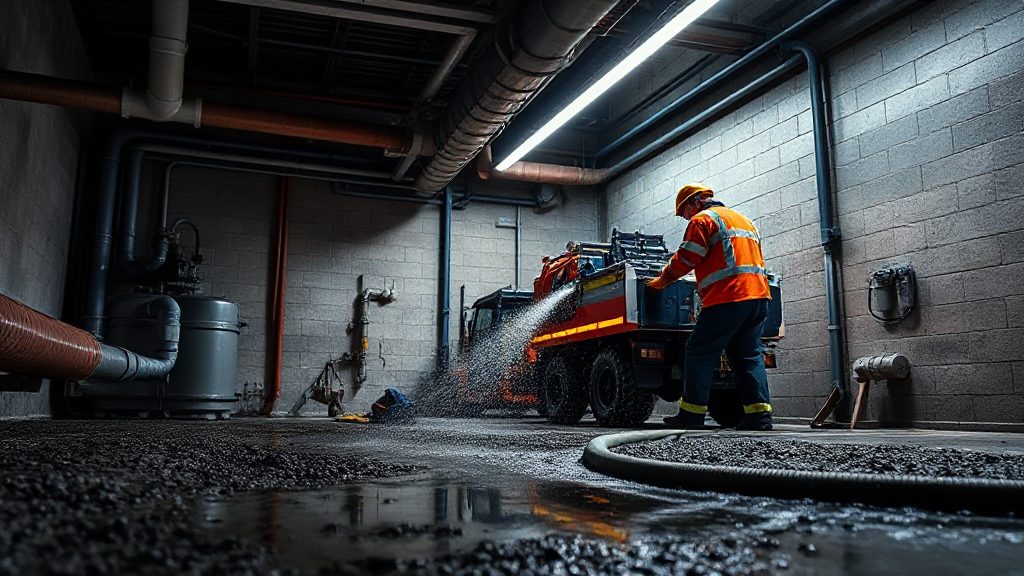
Desentupidora Sacomã São Paulo SP: What Changed in 2026 and Why It Matters
If you live or work in Sacomã, you already know that a clogged drain can go from a minor annoyance to a full-blown emergency in minutes. What changed recently is that local regulations and building maintenance expectations in São Paulo have become stricter, and response times now matter more than ever. In 2026, a reliable desentupidora Sacomã São Paulo SP is not just someone with a plunger — it is a licensed team with the right equipment and a clear process.
So how do you go from a backed-up sink to a working drain without wasting time or money? Let me walk you through it as a friend who has been through it before.
What should you do in the first five minutes of a clog?
The first thing to understand is the difference between a slow drain and a full blockage. A slow drain gives you time to act; a full blockage means water is already backing up and you need to stop using the fixture immediately. Turn off the water supply if you can, and avoid pouring chemical cleaners down the drain — they can damage pipes and make the problem worse.
Here is the sequence I recommend, based on what actually works:
- Stop the water flow at the nearest valve or fixture.
- Remove standing water with a bucket or towel to prevent overflow.
- Check other drains in the same area — if multiple fixtures are slow, the blockage is likely in the main line, not the trap.
- Call a professional service that covers Sacomã specifically, because response time depends on local dispatch.
Why does local coverage matter? Because a team that already knows the neighborhood can arrive faster and understands the typical pipe configurations in older Sacomã buildings. That is where a specialized desentupidora Sacomã makes a practical difference.
Should you try DIY methods first?
For a simple sink or shower clog, a plunger or drain snake can work. But if you have already tried those and the water still rises, stop. Continuing to force water can push debris deeper and turn a small clog into a main-line blockage. In apartments and commercial kitchens, that escalation is expensive.
What information should you have ready when you call?
Have the address, the type of fixture (sink, toilet, floor drain, main line), and whether the problem is isolated or affecting multiple drains. Also mention if there is any sewage smell or backup — that changes the urgency and the equipment needed. The more precise you are, the faster the team can prepare.
How does a professional desentupidora actually clear the line?
Professional clearing is not just about unclogging — it is about diagnosing why the clog happened and preventing a repeat. The best teams follow a step-by-step method that starts with inspection and ends with a test. Here is what that looks like in practice.
Step 1: Inspection and diagnosis
The technician will first check accessible cleanouts and may use a camera to see inside the pipe. This step tells them whether the blockage is grease, roots, scale, or a collapsed section. Without this, you are guessing — and guessing leads to repeat visits.
Step 2: Choosing the right method
Different clogs need different tools. A mechanical snake works for soft blockages, while hydro-jetting uses high-pressure water to scour the pipe walls. For grease-heavy kitchen lines or older cast-iron pipes, hydro-jetting is often the only way to get a lasting result. A good provider will explain why they chose a method rather than just applying the same tool to every job.
Step 3: Clearing and testing
After clearing, the technician should run water through the line and verify flow at multiple fixtures. If the drain still gurgles or drains slowly, the job is not done. This final test is your proof that the blockage is gone, not just moved.
Step 4: Prevention advice
This is where many services stop, but the good ones do not. They will tell you what caused the clog and how to avoid it — for example, installing drain screens, avoiding grease disposal in sinks, and scheduling periodic maintenance for older buildings. That advice is worth more than a quick fix.
If you are comparing providers, ask whether they include a camera inspection and a post-service test. Those two steps separate a professional desentupidora em Sacomã São Paulo SP from a quick unclogging service.
What does it cost, and how do you avoid common mistakes?
Cost is the question everyone asks, and the honest answer is that it depends on the type of blockage and the access. A simple sink clog costs far less than a main-line blockage that requires hydro-jetting or excavation. In Sacomã, older buildings with original pipes often need more careful work, which affects the price.
Here is a simple comparison to help you think about it:
| Type of service | Typical scenario | What drives the cost |
|---|---|---|
| Simple drain clearing | Single sink or shower | Access and time |
| Main-line clearing | Multiple fixtures slow | Equipment and pipe condition |
| Hydro-jetting | Grease or scale buildup | Pressure equipment and duration |
| Emergency after-hours | Night or weekend backup | Urgency and availability |
The biggest mistake people make is choosing the lowest quote without asking what is included. A cheap price that does not include inspection or testing often leads to a second visit — and a higher total cost. Another common mistake is ignoring small signs like slow drains or gurgling sounds until they become emergencies.
Prevention is always cheaper than emergency repair. If your building has recurring clogs, a maintenance plan is worth discussing with your provider. For condominiums and commercial kitchens in Sacomã, scheduled cleaning of grease traps and main lines can prevent the kind of backup that forces a shutdown.
How do you choose the right provider?
Look for clear communication, a defined process, and local coverage. Ask if they provide 24-hour emergency service, whether they use camera inspection, and if they offer a warranty on the work. A provider that answers these questions directly is usually the one you want.
What about emergency situations at night?
Emergencies do not wait for business hours. A sewage backup at 11 p.m. needs a team that can respond immediately. That is why checking for 24-hour availability before you have a problem is smart. Keep the number of a trusted local service saved in your phone — future you will be grateful.
So, what is the bottom line? Start by stopping the water and calling a local professional who covers Sacomã. Insist on inspection, the right method for the clog, and a final test. And remember that the best time to prevent a clog is before it happens. If you follow these steps, you will go from a backed-up drain to a working result — and you will know exactly why it worked.